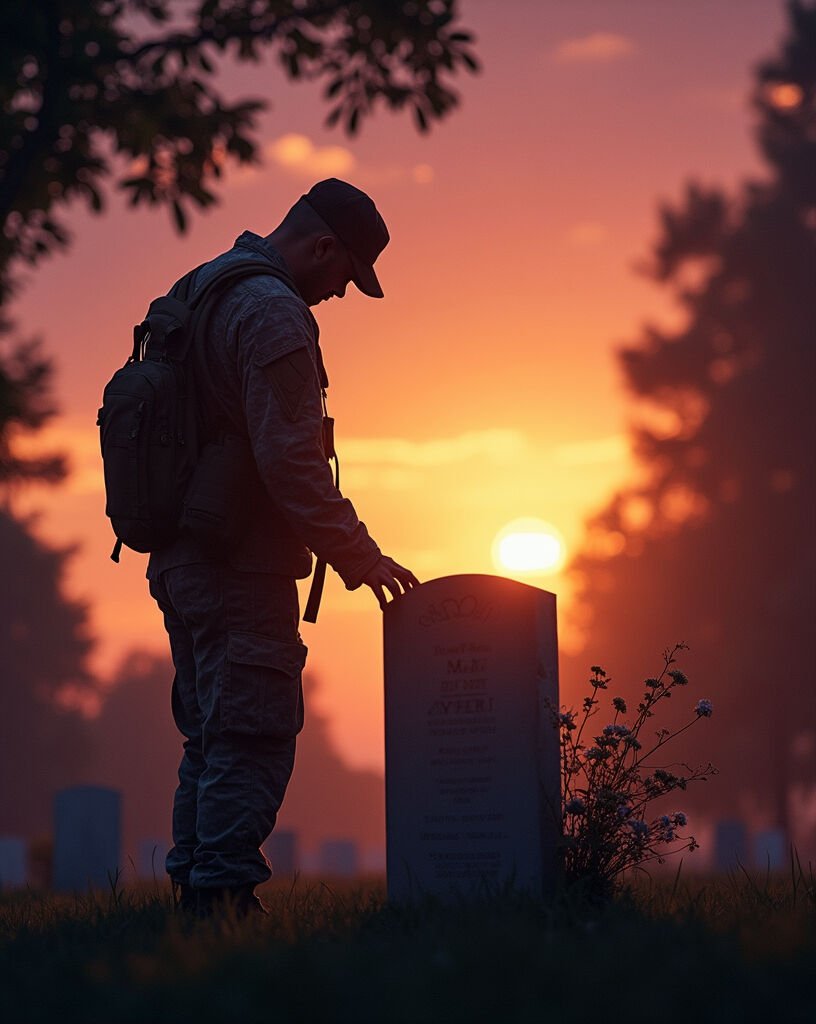
Each year, as the last Monday of May rolls around, Americans across the country pause to reflect, remember, and honor those who made the ultimate sacrifice for our nation. Memorial Day is more than just the unofficial start of summer — it is a solemn reminder of the cost of freedom and the courage of those who served.
The Origins of Memorial Day
Memorial Day, originally known as Decoration Day, dates back to the aftermath of the Civil War. In 1868, General John A. Logan of the Grand Army of the Republic designated May 30 as a day to decorate the graves of fallen soldiers with flowers. This was a way for a grieving nation to heal and honor the hundreds of thousands who lost their lives during the war.
Over time, as America faced other conflicts — World War I, World War II, the Korean War, Vietnam, and beyond — the day evolved to honor all U.S. military personnel who died in service to their country. In 1971, Memorial Day was officially declared a federal holiday and moved to the last Monday in May, giving Americans a three-day weekend to observe the occasion.
Honoring the Fallen
Memorial Day is often marked by parades, flag ceremonies, cemetery visits, and moments of silence. Many people place American flags or flowers on the graves of loved ones or participate in community services held at military cemeteries. At 3:00 p.m. local time, a National Moment of Remembrance is observed across the country, encouraging a unified pause to reflect on the true meaning of the day.
More Than a Day Off
While barbecues, road trips, and sunshine often accompany the Memorial Day weekend, it’s important not to lose sight of the holiday’s deeper significance. Memorial Day reminds us that freedom comes at a price. It asks us to remember not only the lives lost but also the families left behind — the parents, spouses, children, and friends who continue to carry the weight of sacrifice.
How You Can Observe Memorial Day
- Visit a Memorial or Cemetery: Pay your respects at a local veterans’ cemetery or war memorial.
- Fly the American Flag: Fly it at half-staff until noon, then raise it high — a tradition symbolizing both mourning and continued resolve.
- Support Veterans and Military Families: While Memorial Day honors the fallen, supporting those currently serving and their families can be a meaningful way to show appreciation.
- Teach the Next Generation: Share the history and importance of Memorial Day with children to ensure its meaning endures.
Final Thoughts
Memorial Day is a day of reflection, reverence, and gratitude. It’s a time to set aside our differences and unite in remembrance of the brave men and women who gave everything for the ideals we hold dear. As we enjoy our freedoms this Memorial Day, let us never forget those who made them possible.